Why Steinbach Neighborhoods Are Changing Fast

People often think that Steinbach is just a static, sleepy town where nothing ever changes. They assume that the residential layout of our community will look the same in ten years as it does today. That is a mistake. Our city is actually undergoing a massive shift in how people live, moving from traditional single-family lots to more diverse housing options. Understanding these shifts is vital if you want to know where our community is heading and how it affects your property value or daily commute.
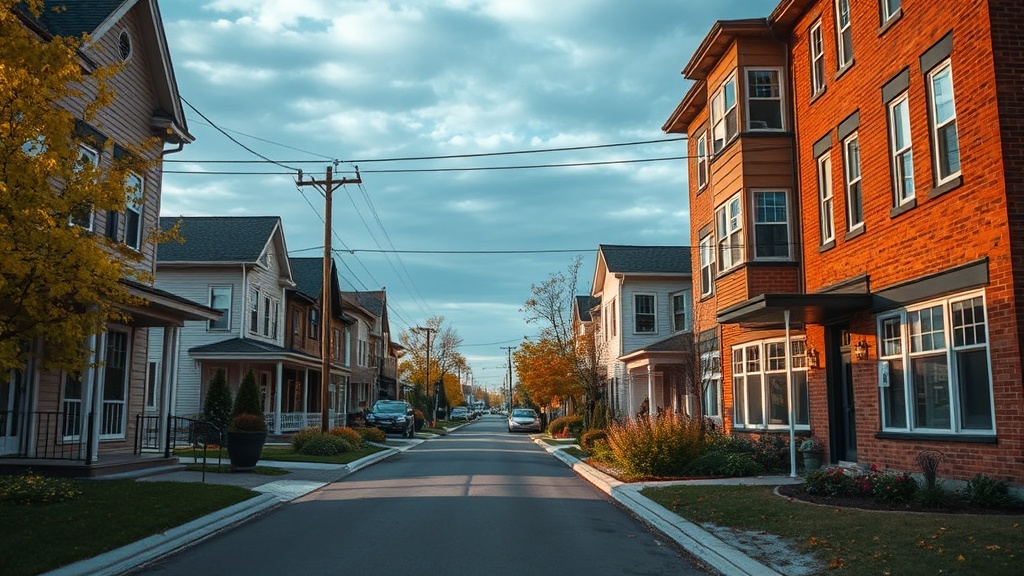
The growth in Steinbach isn't just about more houses; it's about a change in the very fabric of our neighborhoods. From the older, established streets near the downtown core to the newer developments pushing toward the edges of the city, the way we build and live is evolving. We're seeing a push for density that wasn't even on the radar a decade ago.
Where is the new housing development happening in Steinbach?
If you look at the outskirts of the city, particularly toward the areas near the industrial park or the newer developments near Highway 12, you'll see a different kind of construction. We're moving away from the sprawling lawns of the past. Instead, we're seeing more townhomes and smaller lot sizes that allow young professionals and seniors to stay within Steinbach without the massive maintenance of a large estate. This shift is particularly noticeable in the newer sectors of the city where the land is being used more efficiently.
One of the biggest drivers of this change is the demand for a variety of living options. We have many residents who are either downsizing from large family homes or first-time buyers looking for something more affordable. This isn't just happening on one street; it's a city-wide trend that is reshaping the outskirts of our community. If you've noticed more construction noise near the eastern edges of the city lately, it's because these new residential zones are finally taking shape.
How does new construction affect Steinbach traffic?
With more people moving into these new residential areas, the traffic patterns in Steinbach are naturally shifting. We've all felt the pinch during rush hour, especially around the main arteries that connect the newer neighborhoods to the central business district. As our city expands, the pressure on our existing road-work and infrastructure becomes more apparent. The city's planning departments are constantly working to ensure that our roads can handle the increased load, but the growth is happening fast.
It's not just about the cars, though. It's about how we move through our city. The increased density in certain neighborhoods means more pedestrians and more cyclists on the roads. This is a huge part of our local dialogue right now—how do we keep our streets safe while accommodating the growth? You can see more discussions about this on the official City of Steinbach website, where municipal updates regarding infrastructure and road improvements are frequently posted. It's something we all need to keep an eye on to stay ahead of the curve.
Local Infrastructure and Growth
The relationship between new housing and public services is a hot topic in our community. When a new subdivision opens up, it's not just about the houses; it's about the schools, the parks, and the water services. We've seen how the demand for services increases in the newer parts of Steinbach, and it requires a proactive approach from our local government. It's a balancing act to ensure that as we grow, we don't lose the small-town feel that makes us want to live here in the first place.
What are the best areas for long-term property value?
When looking at where to invest or where to settle, many locals look at the stability of established neighborhoods versus the potential of new ones. The older, central parts of Steinbach offer a sense of permanence and proximity to everything, but the newer developments offer modern amenities and lower-maintenance living. It's a trade-off that many of our neighbors are currently weighing heavily. For example, the area around the Grundy Park provides a great sense of community, but the newer developments are where the modern growth is concentrated.
We should also consider the long-term viability of the land. As the city continues to expand, the boundaries of what we consider "central" are shifting. This is why staying informed through local sources is so important. You can often find more detailed information on zoning and land use through the Statistics Canada website, which tracks demographic shifts across the Prairies, providing context for the growth we see right here at home. Understanding these larger trends helps us realize that what is happening in Steinbach is part of a much larger movement across the region.
Living in Steinbach means being part of a community that is actively building its own future. Whether you are looking at the growth near the local high schools or the development near the industrial zones, the changes are real and they are happening now. We need to remain engaged with these local shifts to ensure our city remains a great place for everyone to live, regardless of which neighborhood they call home.