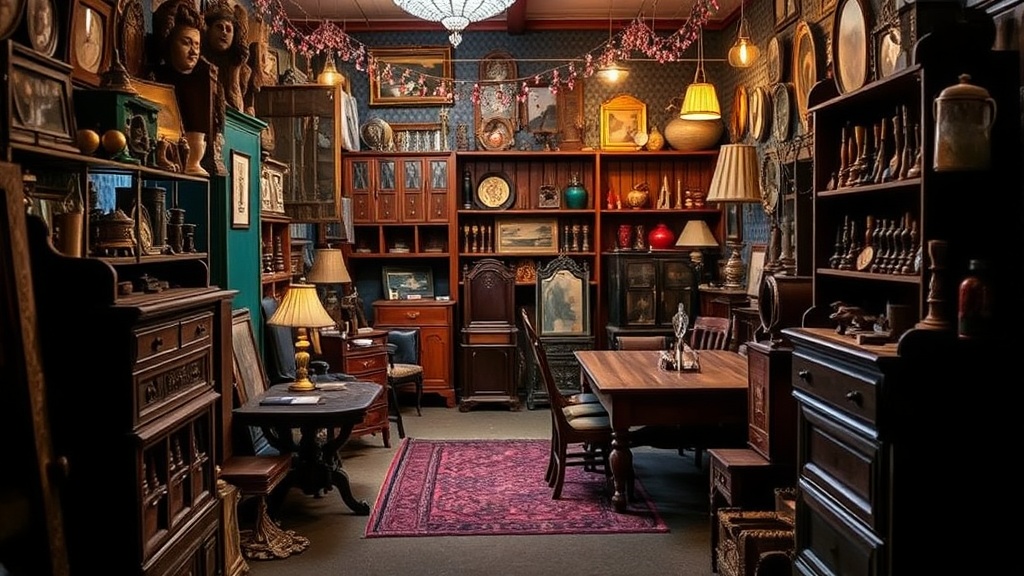
Finding Hidden Treasures at the Steinbach Antique District

You walk into a small shop on the edge of town, the smell of cedar and old paper hitting you immediately, and there it is—a mid-century modern lamp or a hand-forged iron tool that looks like it belongs in a museum. This guide breaks down how to successfully hunt for high-quality vintage goods in the Steinbach area, covering the best times to visit, what to look for in different categories, and how to spot a genuine deal versus a high markup. Whether you're a serious collector or just someone looking for a unique coffee table, knowing the local rhythm of these shops makes all the difference.
Where Can I Find Quality Antiques Near Steinbach?
The best antique hunting happens in the cluster of shops located along the main arteries leading out of Steinbach toward the more rural areas and the surrounding Eastman region. While many people think of "antique shopping" as hitting a single big store, the real treasures in our part of the Prairies are often tucked away in smaller, specialized boutiques or even large-scale estate sale liquidations. You'll find everything from high-end Victorian furniture to rustic farmhouse decor that fits the local aesthetic.
If you're looking for a specific vibe, you need to know where to direct your energy. Some shops focus heavily on industrial-era tools and agricultural history—which is a big part of our local heritage—while others lean into the "shabby chic" or farmhouse style that's popular for home staging. It's worth noting that many of the best finds aren't even in "antique stores" but in local thrift shops or estate sales that happen on weekends.
For those who appreciate the history of the tools used in early Canadian agriculture, the history of Canadian farming provides a great backdrop for understanding why certain items are so much more valuable than others. A rusted, hand-cranked grain tool isn't just junk; it's a piece of our regional identity.
The Three Main Types of Shops You'll Encounter
- The Curated Boutique: These shops are more expensive. They have a specific aesthetic (think modern farmhouse or high-end vintage) and the items are often cleaned, repaired, and ready for your living room.
- The Multi-Vendor Mall: These are large buildings where different collectors rent booths. This is where you find the variety. One booth might have 1950s Pyrex, while the one next to it is full of old heavy-duty tools.
- The Estate Sale/Garage Sale: This is the "wild west" of antique hunting. It's unpredictable and requires a keen eye, but the prices are usually the lowest you'll find.
How Much Should I Pay for Vintage Items?
Pricing in the Steinbach area varies wildly based on whether you are buying from a professional dealer or a casual seller at a garage sale. A general rule of thumb is that a professional dealer will charge a premium for the curation and the convenience of a clean, organized shop, while a yard sale will offer much lower prices but higher risk. If you're looking for a specific piece, like a vintage heritage-style item, you should research the current market value on sites like eBay or Etsy before you head out.
To help you budget, I've put together a quick comparison of what you might expect to spend on common categories in our region.
| Item Category | Thrift/Garage Sale Price | Antique Shop Price | Collector/Auction Price |
|---|---|---|---|
| Vintage Kitchenware (Pyrex/Mid-Century) | $5 - $15 | $30 - $60 | $75+ |
| Solid Wood Side Tables | $20 - $40 | $80 - $150 | $200+ |
| Vintage Agricultural Tools | $10 - $30 | $50 - $100 | Variable (High) |
| Antique Brass Decor | $5 - $10 | $25 - $45 | $60+ |
Don't be afraid to haggle at the garage sales or even at the smaller multi-vendor malls—though be polite about it. If you're buying multiple items from the same person, a small discount is often a reasonable request. However, at the high-end boutiques, the prices are usually firm because they've already done the work of sourcing and cleaning the items for you.
What Are the Best Things to Collect in the Prairies?
The most successful collectors in our area focus on items that reflect the agricultural and homesteading history of the Canadian Prairies. Items that tell a story of the land, the weather, and the grit of early settlers tend to hold their value well and are highly sought after by both locals and out-of-province buyers. If you're looking for something that will actually appreciate in value, look for high-quality materials like solid wood, cast iron, and heavy brass.
Here is a list of items that are currently trending in the local antique scene:
- Farmhouse Decor: Think weathered wood, linen textiles, and stoneware crocks.
- Mid-Century Modern (MCM): This is huge right now. People are hunting for Teak furniture and colorful glassware from the 1950s and 60s.
- Vintage Kitchenware: Brands like Pyrex and old-school heavy-duty cast iron pans are perennial favorites.
- Industrial Hardware: Old pulley systems, large iron gears, and vintage signage make for great statement pieces in modern homes.
One thing to watch out for is "reproduction" items. Sometimes, a shop will sell something that looks old but was actually made in the 1990s to look like it's from the 1890s. Check the weight and the construction. Real vintage iron will feel heavy and slightly irregular; modern reproductions often have a certain "perfection" to their finish that gives them away.
If you find yourself spending the whole morning hunting through shops, you'll likely need a caffeine fix. Many people find that a stop at a local cafe is the perfect way to decompress after a long search. If you're looking for a place to sit and sort through your new finds, check out the best coffee shops in Steinbach to fuel your afternoon. It's a great way to transition from the "hunt" to enjoying your new treasures.
One tip I've learned over the years: always bring a sturdy tote bag or a small rolling suitcase. You never know when you'll find a heavy cast-iron skillet or a stack of vintage books that you just can't leave behind. It's much easier than carrying five different small bags around while you're trying to browse.
The weather can also play a big part in your success. If you're planning to hit the garage sales or the outdoor flea markets, try to do so on those crisp, clear Saturday mornings. The best items are often gone by noon, especially if the weather is beautiful. If you're sticking to the indoor shops, a rainy Tuesday afternoon is actually a great time to go—the crowds are thin, and the shop owners are usually much more willing to chat (and maybe even negotiate) when they aren't rushed.
Keep an eye on local community boards and social media groups as well. Many of the best "hidden" treasures aren't even in shops yet; they're sitting in someone's basement waiting to be discovered. A little bit of research and a lot of patience will go a long way in helping you build a collection that truly stands out.